Petite vs. regular sizes: what the label actually means.
A size 4 petite and a size 4 regular are not the same dress. One has been redrawn for a different body — the other has just had its hem taken up.
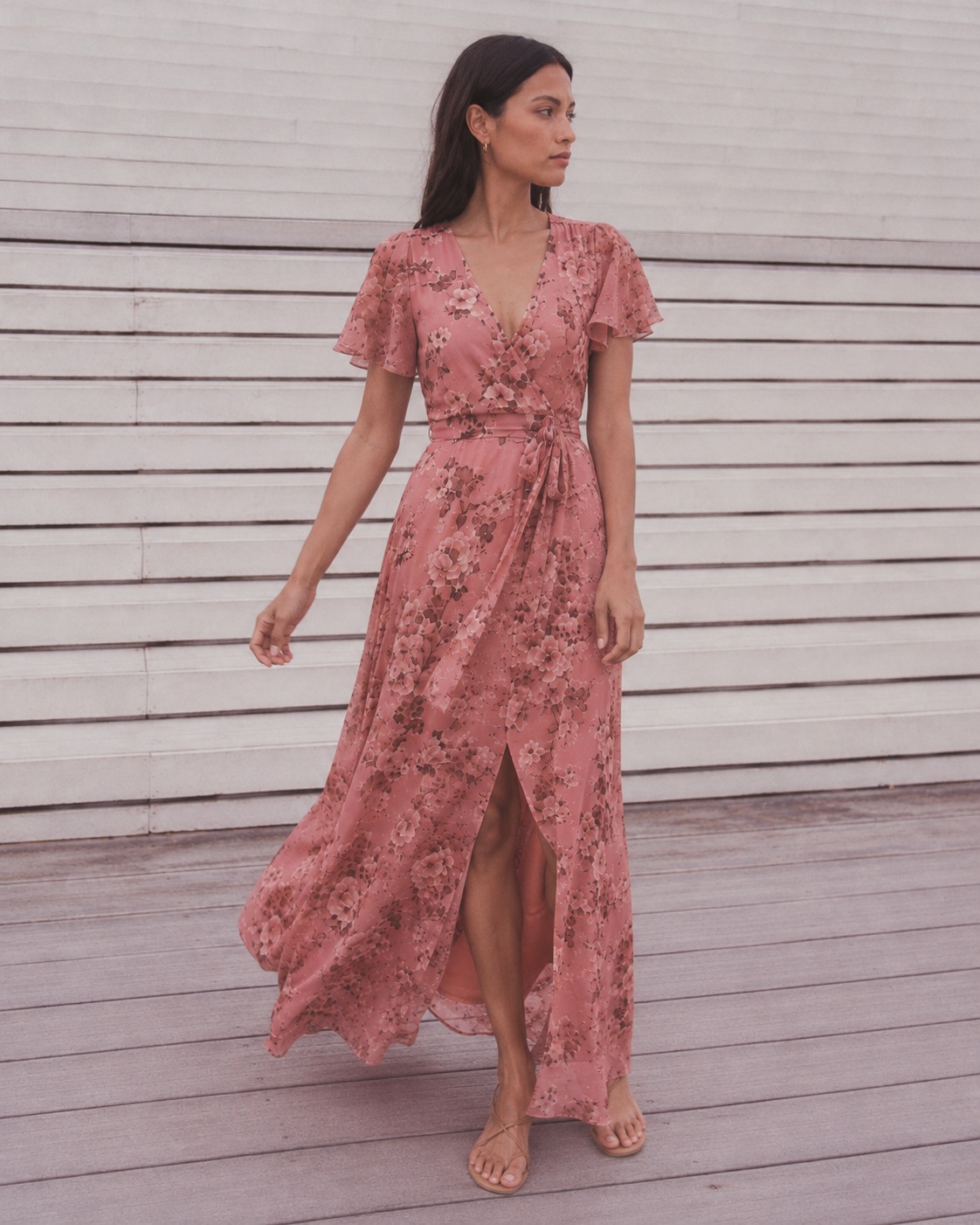
Most shoppers under 5'4" learn quickly that "petite" on a label doesn't mean the same thing at every brand. At some houses, it's a full redraft. At many others, it's the same pattern with an inch off the hem and an inch off the sleeve — the equivalent of renting the same dress and calling it tailored.
The label is trying to communicate something specific: the pattern has been adjusted for a shorter overall stature. But stature is made of several measurements, and shortening one without the others is what makes a "petite" piece still feel wrong.
Here's what should actually change between the two labels.
Petite vs. regular, side by side (size 4)
| Measurement | Regular 4 | Petite 4 |
|---|---|---|
| Shoulder width | 15"–15.5" | 14"–14.25" |
| Shoulder to waist | 16"–17" | 14.5"–15.5" |
| Sleeve length | 23"–23.5" | 21"–21.5" |
| Midi hem drop | 46"–48" | 42"–44" |
| Trim / print scale | Full scale | Reduced repeat |
In short: petite sizing changes the proportions of the pattern, not just the length. Regular sizing keeps the same vertical proportions at every size.
Shoulder Width
A regular size 4 shoulder is designed for roughly a 15"–15.5" span. A true petite 4 comes in around 14"–14.25". A wider shoulder on a smaller frame is what makes a dress look borrowed — sleeves that hang past the joint, necklines that gape, armholes that sit an inch too low.
Torso Length (Shoulder to Waist)
This is the biggest tell. A regular bodice is designed for a 16"–17" shoulder-to-waist length. Petite patterns sit closer to 14.5"–15.5". If you've ever felt a fit-and-flare dress hit at your hip instead of your waist, this is why — the seam is anatomically correct, just not for you.
Sleeve Length & Cap
A petite sleeve isn't just shorter at the cuff. The cap is scaled down and the elbow point is raised so the sleeve bends where your arm bends. Grading a regular sleeve down loses the cap proportion and the fold ends up at your forearm.
Hem Placement
The most obvious change, and the least meaningful one on its own. Shortening a hem without adjusting the torso and waist above it just lands the dress in the wrong place with the rest of the seams still off.
Trim, Print, and Detail Scale
A four-inch lace border, a large floral repeat, a wide sash — all designed for a taller canvas. True petite pattern work uses smaller repeats, narrower trims, and detail placement scaled to a shorter torso and hem.
The quick test on the hanger: hold the dress against your shoulder and let it fall. If the waist seam lands below your natural waist, the darts sit below the fullest part of your bust, or the armhole hangs closer to your ribs than your underarm, the piece was graded down — not designed for you.
At Nectar every piece is designed from a petite block, not shrunk from a straight-size one. That is what the label is supposed to mean. Every so often it actually does.
See the fit for yourself.
The Fit Guide walks through every measurement Nectar drafts around, and the current collection is cut from those blocks.
Keep Reading
All Journal Entries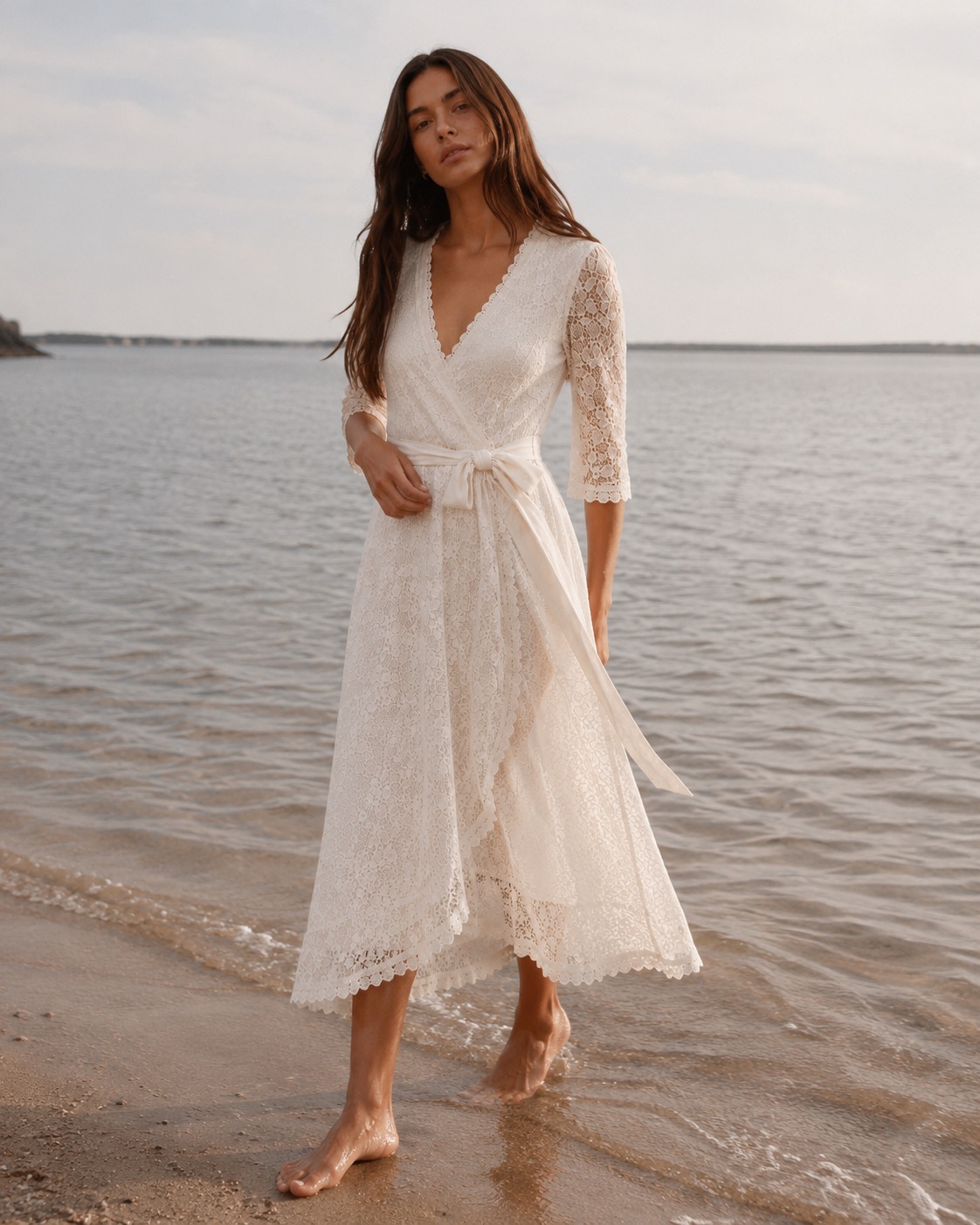
Short torso vs. short legs: why it matters for petite fit.
Two women can both be 5'2" and need completely different dresses.

The quiet power of eyelet.
How to style one of the most flattering fabrics for petite frames.
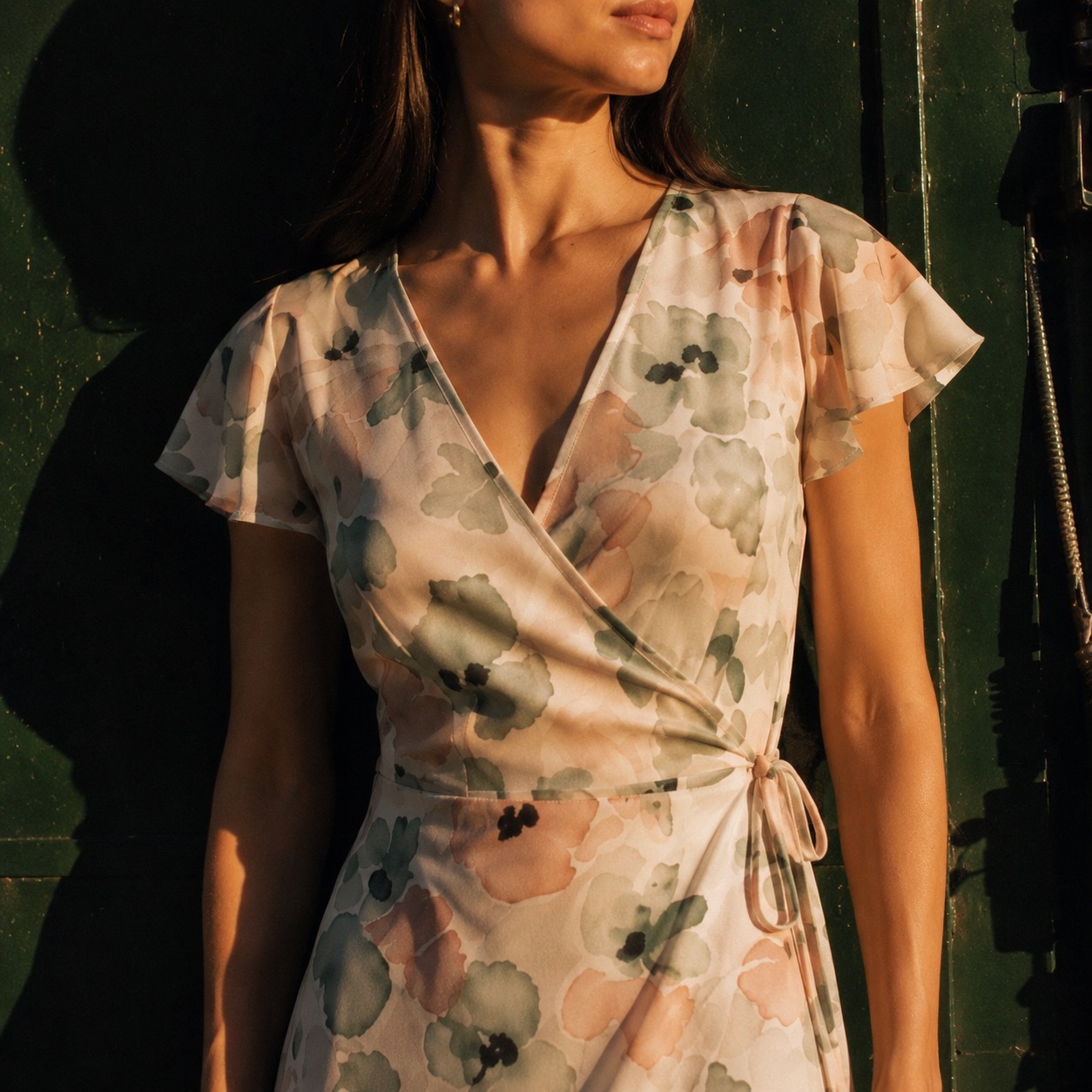
How fabric and scale affect petite proportions.
Fabric weight, print scale, and trim width all shape how a dress reads.