The cost per wear of a well-made dress.
A quiet argument for buying fewer dresses, better made — and the small arithmetic that changes how a closet feels.
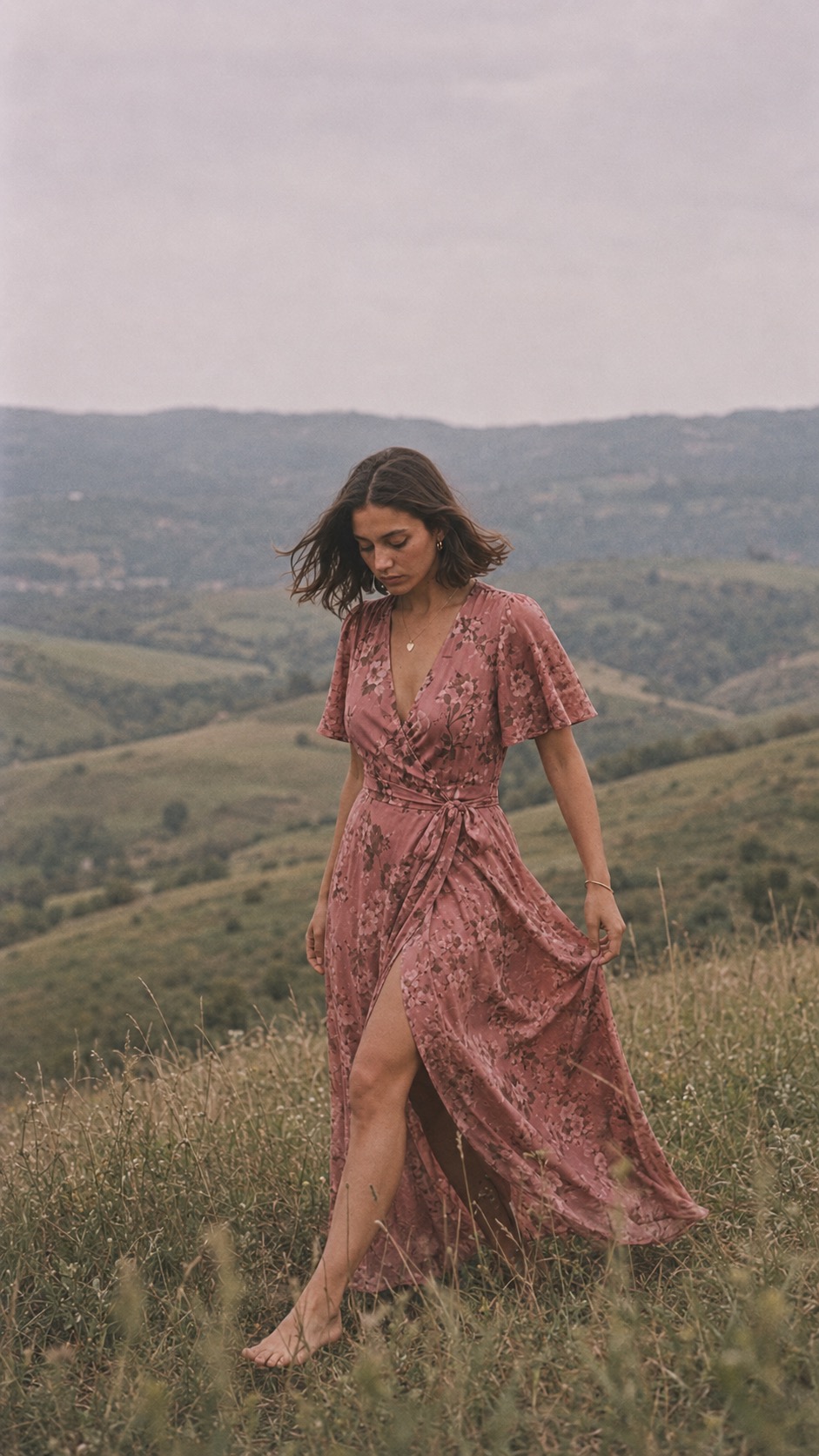
The economics of a wardrobe are quiet, and mostly personal. But there is one number that steadies almost every clothing decision worth making: cost per wear. Not what the tag says, but what the dress actually charges you over the years you keep it.
The math is unglamorous and clarifying.
The simple math
Cost per wear is the price of the dress divided by the number of times you'll wear it. A $58 fast-fashion dress worn four times before it pills or twists is $14.50 a wear. A $220 dress worn thirty times over three seasons is $7.33 a wear — and photographs the same in year three as it did in month one.
What actually costs more
The difference in price between a disposable dress and a well-made one is mostly fabric and finishing. Natural fibers, thread density, lined bodices, French seams, hidden zippers, and reinforced stress points don't show up on a hanger — but they show up in the sixth wash and the twentieth wear.
Fit is the multiplier
The single biggest driver of cost per wear is whether the dress fits without alteration. For a petite woman, a dress designed for a 5'7" frame becomes $60 in tailoring before it's worn once — or, more often, a $58 dress that hangs in the closet unworn. A dress drafted for your proportions goes into rotation the day it arrives.
The wardrobe compounds
Buying fewer, better pieces makes the rest of your wardrobe work harder. Your shoes, jewelry, and outerwear are chosen against a small handful of dresses you actually reach for. The closet stops being a graveyard of impulse and starts being a system.
Quality you can feel on the hanger
You don't need to be a garment technician to recognize good making. Weight of the fabric between your fingers. A hem that lies flat instead of curling. Buttons stitched with backing. A lining that matches the outer at the neckline. Every one of those details is a longer life.
The best dresses in a closet are almost never the most expensive ones individually — they're the ones with the lowest cost per wear. That is the standard we design to at Nectar. Not disposable, not precious. Considered, and made to be worn.
Fewer, better, and made to fit.
Keep Reading
All Journal Entries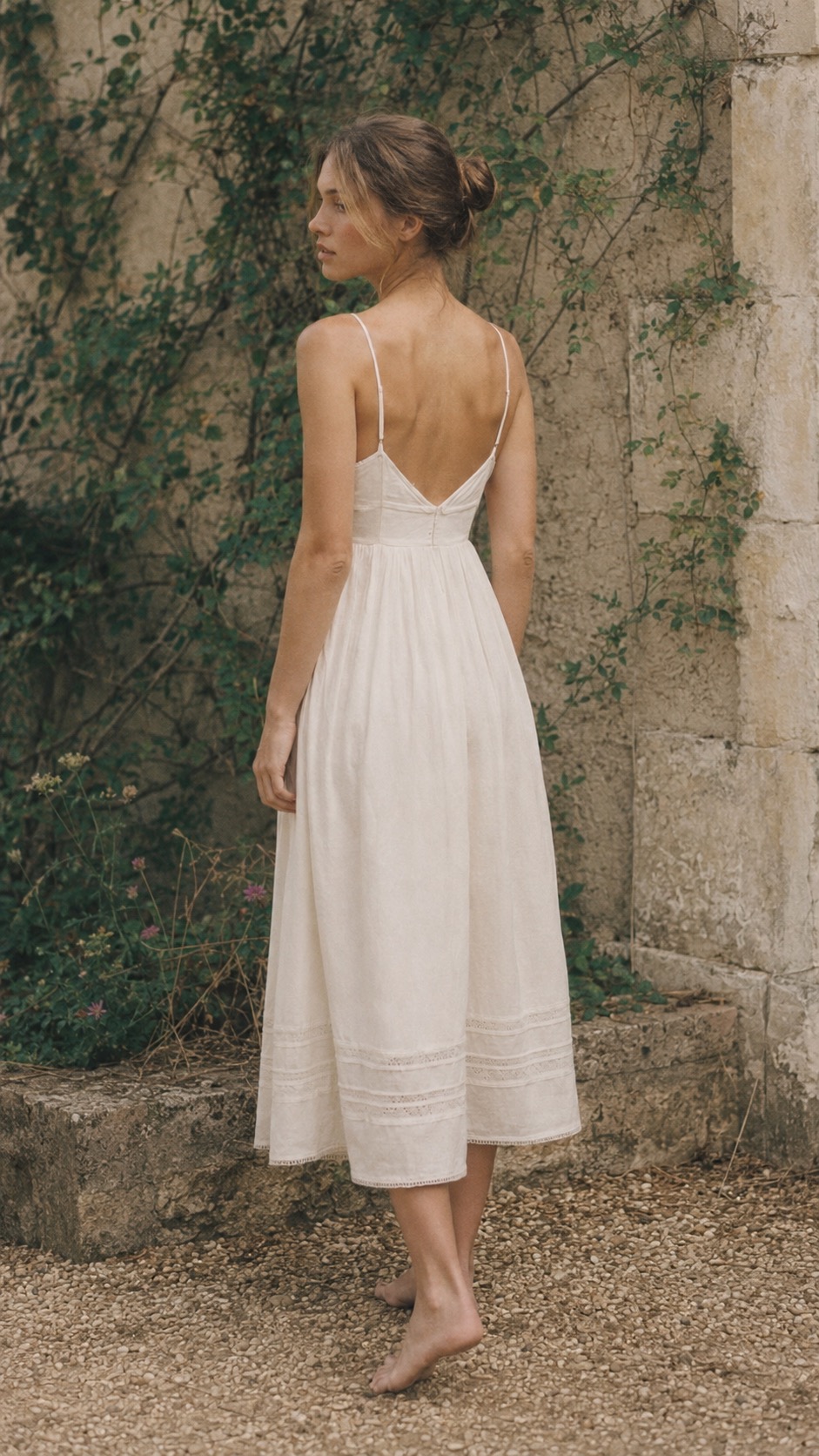
Why 'petite' doesn't mean 'junior.'
Petite is a proportion, not an age — and grown-up petite design shows it.
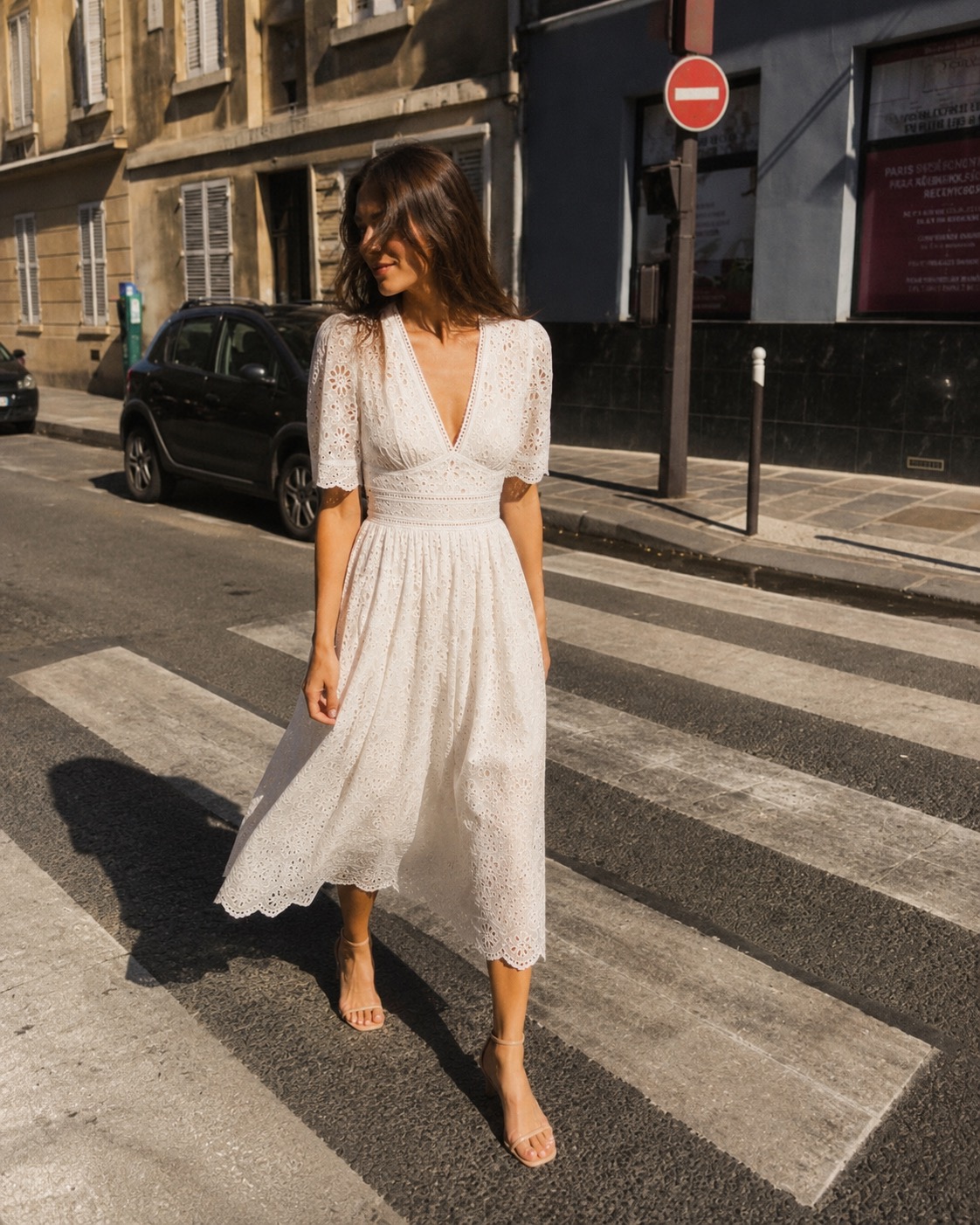
How to look taller in dresses — without heels.
Six design and styling choices that elongate a petite frame in flats.
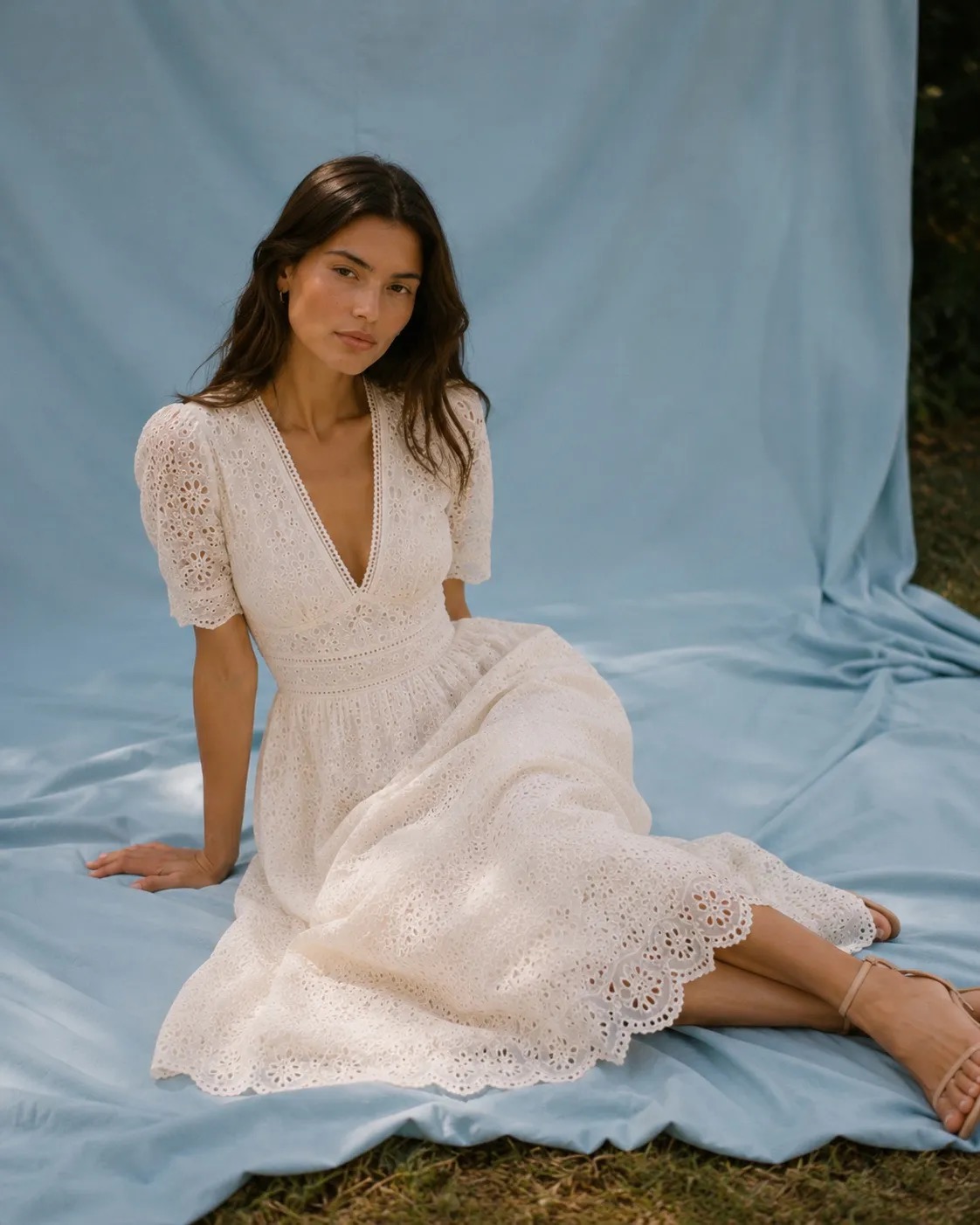
A-line dresses for petite women.
Why the silhouette flatters a shorter frame — and what turns it into a tent.