Why "petite" doesn't mean "junior."
Petite is a proportion. Junior is a life stage. The two get confused often — and it's one of the quietest reasons a shorter woman ends up dressed younger than she feels.
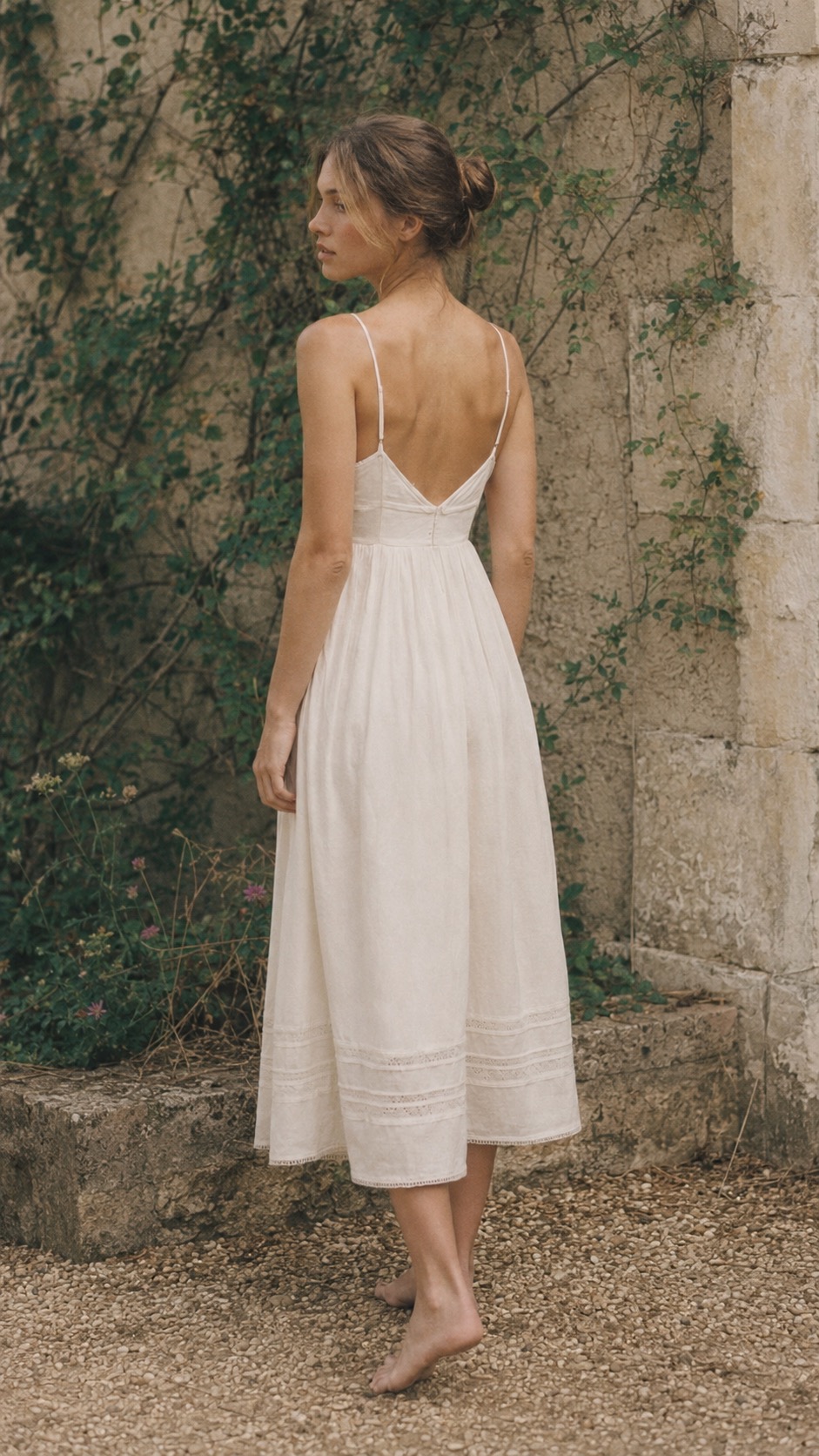
When a size chart labels a dress "petite," it should mean the pattern has been re-drafted for a 5'4"-and-under woman with an adult figure. Too often it means the same dress, cut two inches shorter, marketed to a younger customer. The result is a wardrobe that reads girlish instead of grown.
The distinction matters because it changes what you look for on a hanger, what you rule out, and — quietly — how you feel walking into a room.
Proportion, not age
Junior sizing is designed for a younger, still-developing body — narrower shoulders, less-defined waist, shorter torso. Petite sizing is designed for a fully grown adult who happens to be 5'4" or under. The two overlap in height and diverge in everything else that matters: waist placement, bust dart, hip curve, and the way a dress hangs from the shoulder.
Fabric weight tells the truth
Junior clothing leans on lightweight, high-shine synthetics because they cost less and cut easily. A grown-up petite dress uses cotton with body, linen with drape, or a lace with structure — fabrics that hold a shape and read as considered rather than costume.
Necklines that flatter, not flirt
A well-made petite dress uses necklines to lengthen the frame — a soft V, a square, a low back. Junior styling reaches for cutouts and off-the-shoulder effects that shorten the torso and pull the eye away from the face.
Restraint in the details
Bows, ruffles, and prints all have their place, but scale is everything. A palm-sized bow at the waist elongates; a shoulder-to-hip ruffle overwhelms. Grown-up petite design edits until every detail earns its place.
Made to be worn, not outgrown
A junior dress is meant to be replaced next season. A grown-up petite dress is meant to move with you — to dinner, to a garden wedding, to a Tuesday afternoon five years from now. That difference lives in the seams, the linings, and the finishing.
A grown-up petite dress doesn't announce itself. It fits at the shoulder, lands where it should at the calf, and lets you be the thing people notice. That is the standard we design to at Nectar — proportion for a woman, not a shorter version of someone else's teenager.
Dressed like a woman, not a smaller size.
Keep Reading
All Journal Entries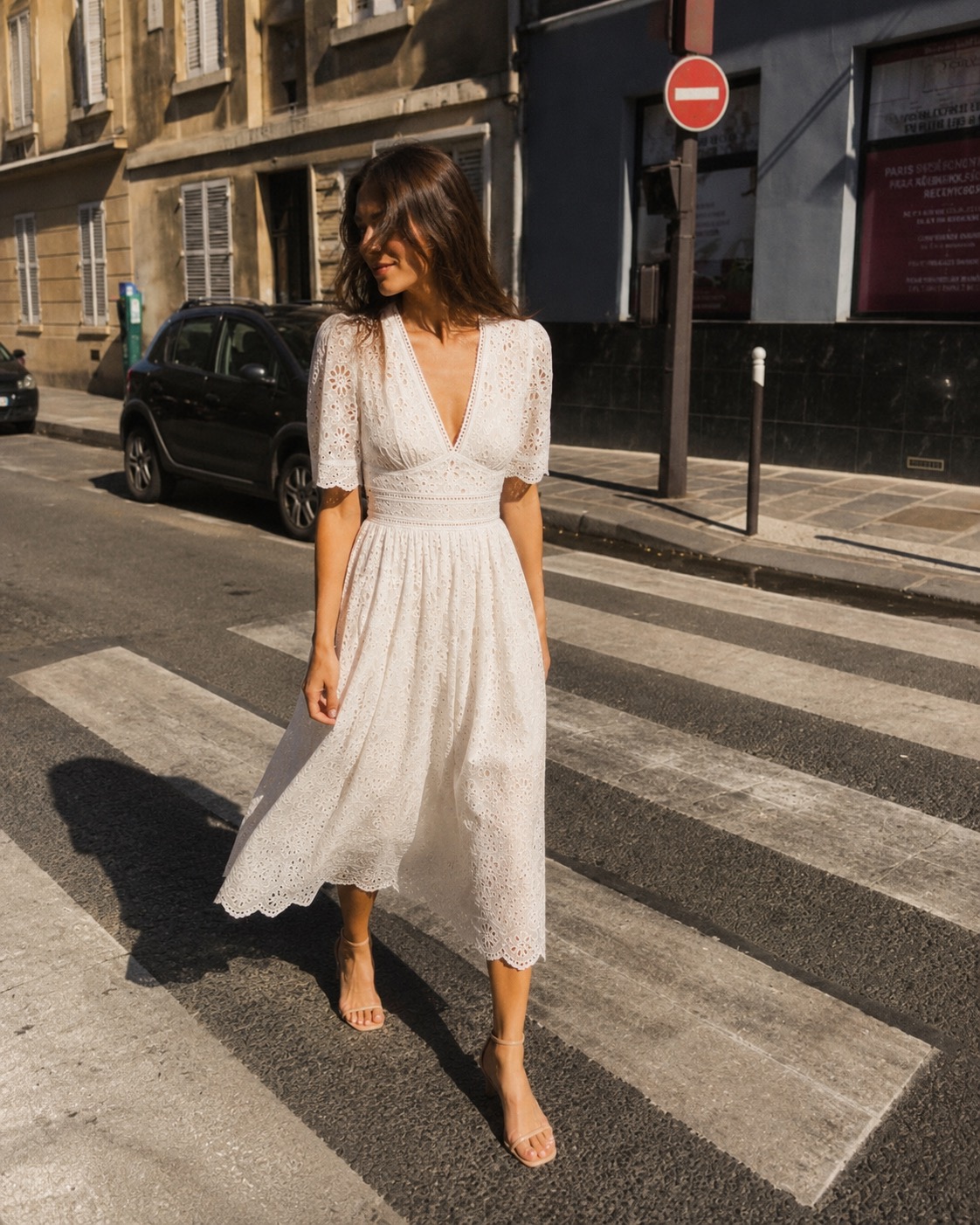
How to look taller in dresses — without heels.
Six design and styling choices that elongate a petite frame in flats.
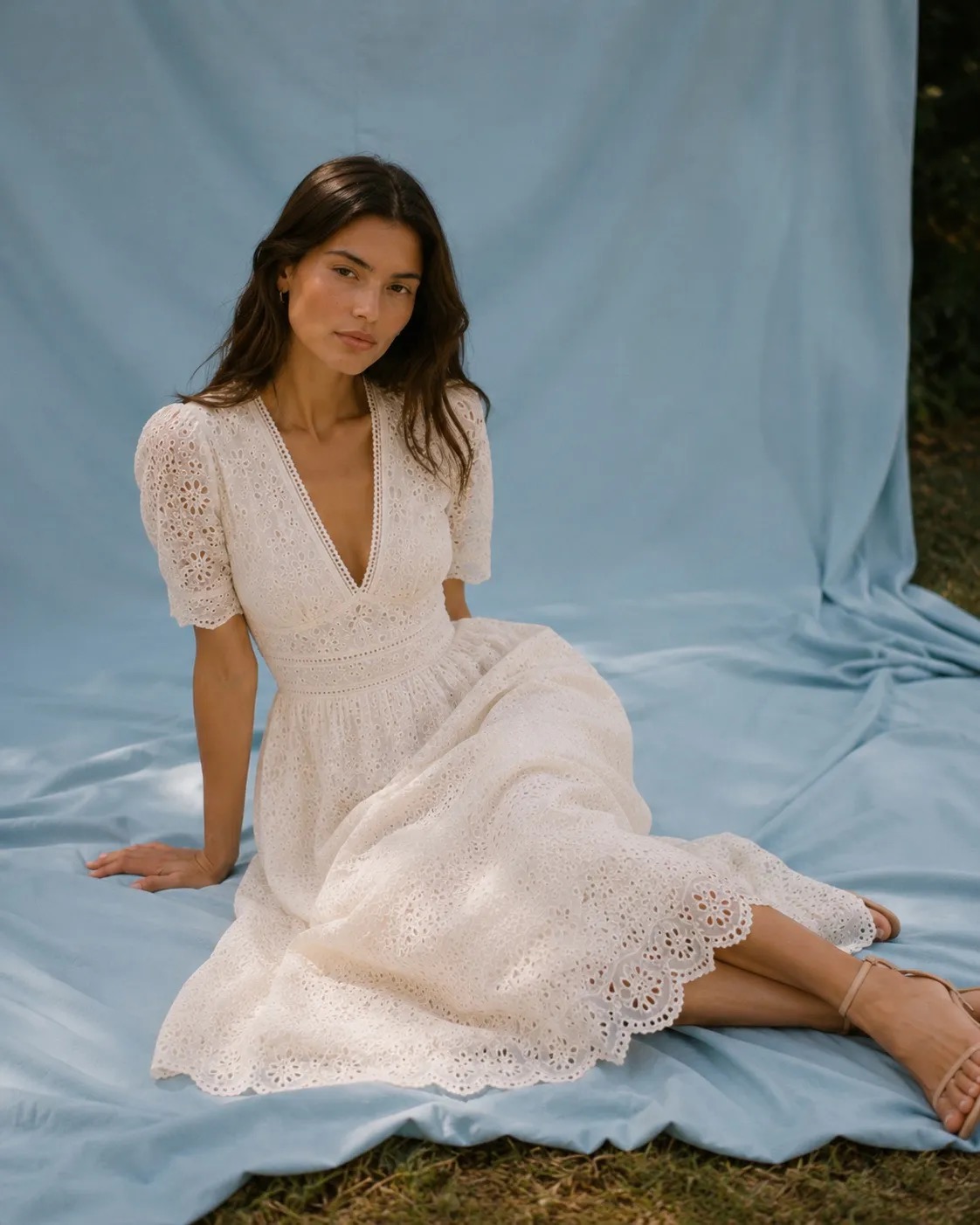
A-line dresses for petite women.
Why the silhouette flatters a shorter frame — and what turns it into a tent.
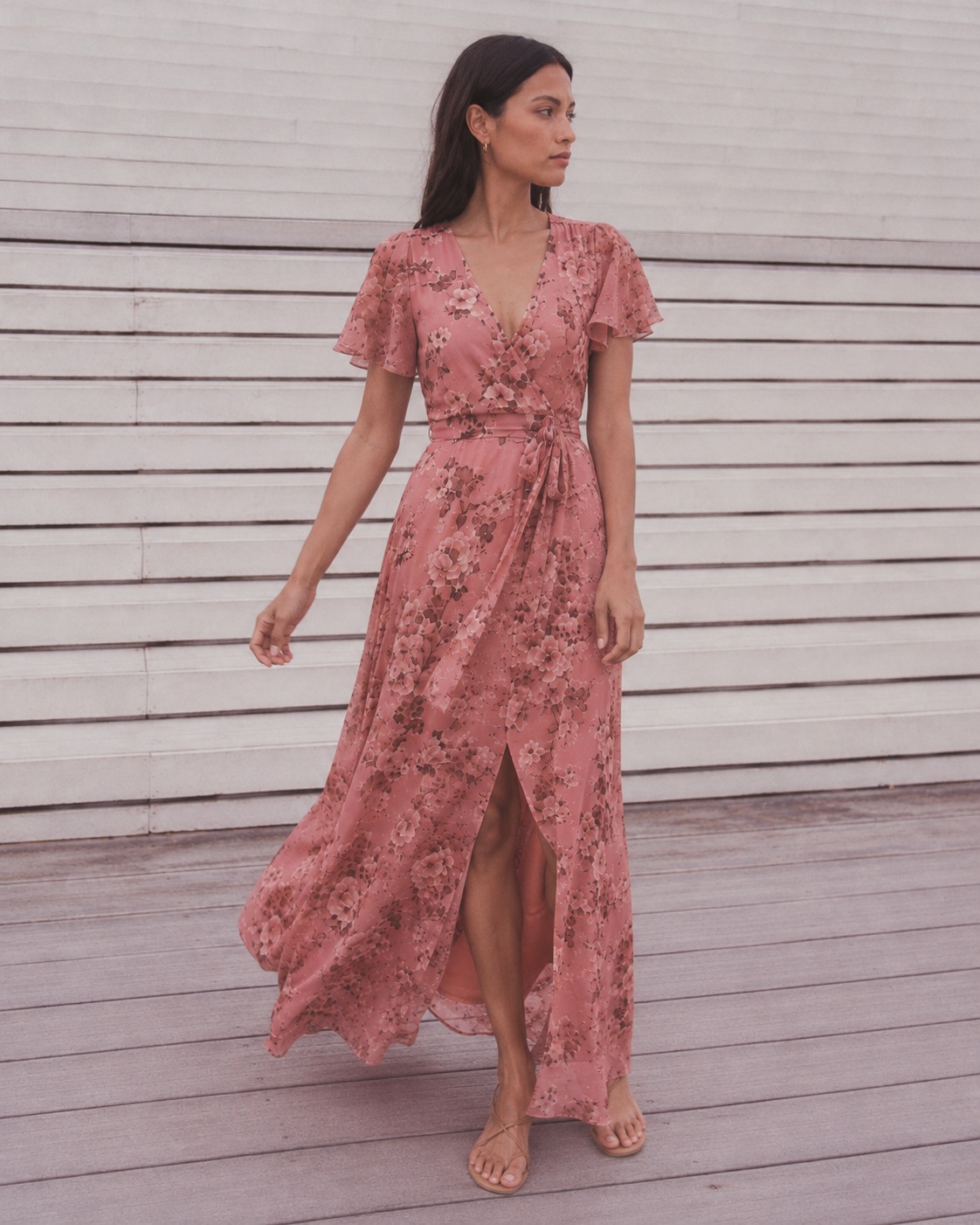
Petite vs. regular sizes: what the label actually means.
A size 4 petite and a size 4 regular are not the same dress.