The definitive guide to petite pant proportions.
Petite pants are not regular pants with the inseam shortened. Six proportion decisions — rise, waistband, knee point, inseam, leg width, and fabric weight — are what turn a trouser into something that actually flatters a shorter frame.
Most "petite" pants on the market start life as a standard block. The inseam is shortened, sometimes the rise is nominally reduced, and the label changes. Every other proportion — waistband height, knee break, hip curve, hem circumference — stays exactly where it was drafted for a 5'8" fit model.
The result is familiar: a trouser that looks technically the right length in the mirror but reads squat in a photograph. The leg line ends too soon. The waist sits low. The hem drags. Fixing any one of those on its own doesn't help, because the ratios above the hem were never petite to begin with.
Here is what a proper petite pant pattern actually changes.
The Rise Sets the Leg Line
A regular pant's rise is drafted for a 10–11" torso above the crotch seam. On a petite frame, that seam sits 1–1.5 inches below the true natural waist — which visually shortens the leg and lengthens the torso, the opposite of what a petite woman needs. A properly engineered petite rise sits at the natural waist and immediately begins the leg line.
The Knee Point, Not the Inseam, Decides the Silhouette
Cropping a regular pant at the ankle doesn't make it petite — the knee break still lands mid-shin, and the lower leg looks foreshortened. Petite pants are drafted with the knee point raised roughly 1.5 inches, so the taper, flare, or break falls where the calf actually begins.
Inseam Is the Last Decision
For a 5'0"–5'4" frame, the flattering inseams are: 25" for a full-length trouser worn with a low shoe, 26–27" for one worn with a low heel, 23" for a cropped straight leg, and 20" for a wide culotte. Anything longer stacks fabric at the ankle and reads unfinished.
Waistband Height Matters More Than Rise Number
A wide, structured waistband (1.5"+) on a petite torso eats visual length. A narrower waistband — under an inch — keeps the eye moving up the leg. This is why so many high-rise petite pants still read short; the rise is right but the band is regular-scaled.
Leg Width Is Scaled, Not Copied
A wide-leg pant with a 22" hem circumference looks architectural on a 5'8" frame and columnar on a 5'2" one. Petite wide-leg should sit closer to 18–19" at the hem, and taper enough at the calf to show a sliver of the ankle when standing still.
Fabric Weight Holds the Line
Petite pants live or die by drape. Too-stiff wool holds fabric away from a shorter leg and adds bulk; too-drapey rayon collapses at the knee. Mid-weight wool, structured cotton twill, and pressed linen give the cleanest vertical.
A well-cut petite trouser is one of the hardest garments to engineer and one of the most transformative to own. When the rise, waistband, knee, and hem are all working in the same proportion, a 5'2" woman looks unmistakably tall in it — without a heel, and without effort.
Fit is the beginning. Quality is the point.
Our Fit Guide explains the petite block Nectar drafts on, and the Size Chart shows exactly where every length lands on frames from 4'10" to 5'4".
Keep Reading
All Journal Entries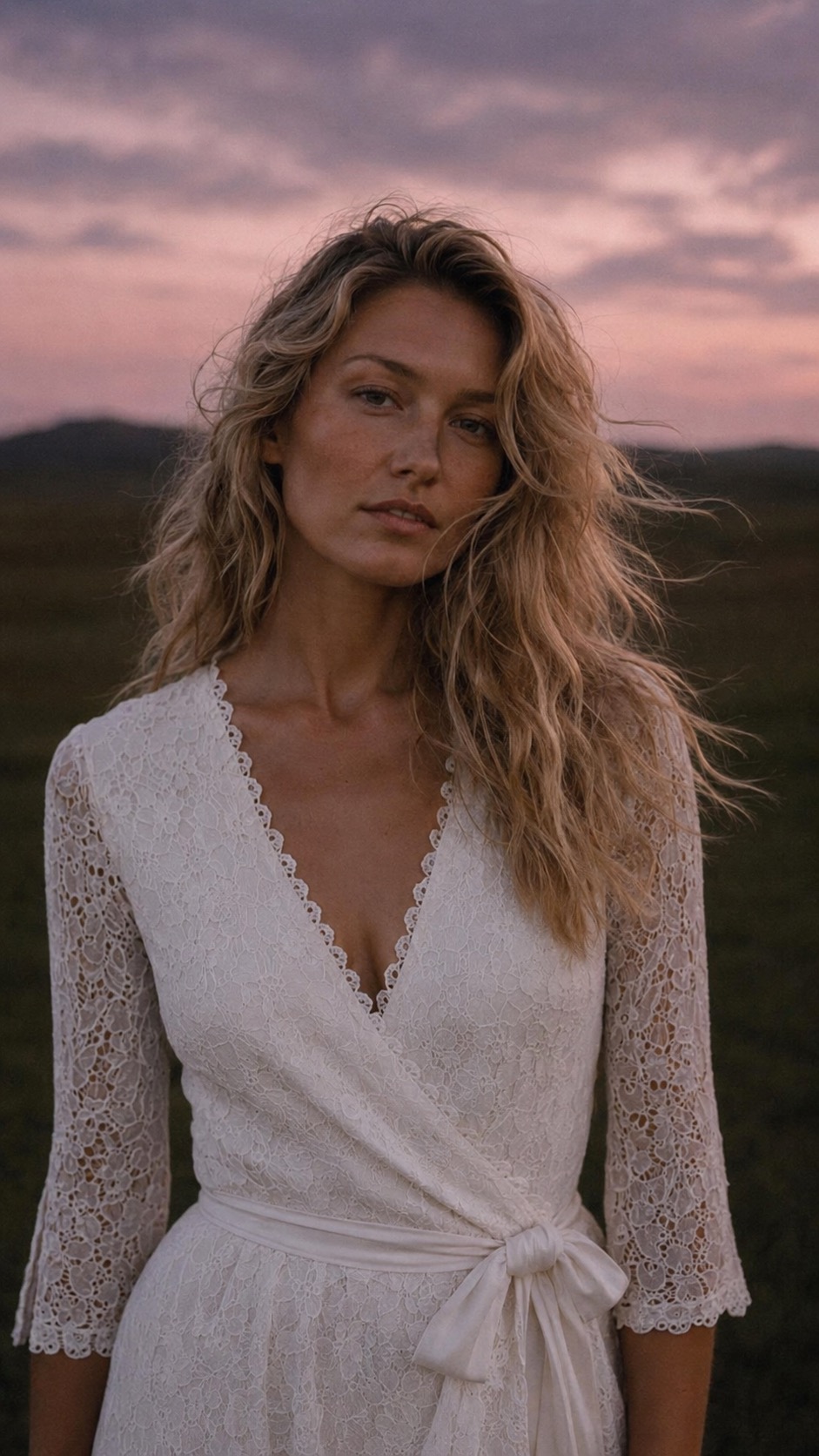
Wedding guest dresses for petite women.
How to choose a dress that flatters a petite frame from ceremony to reception.
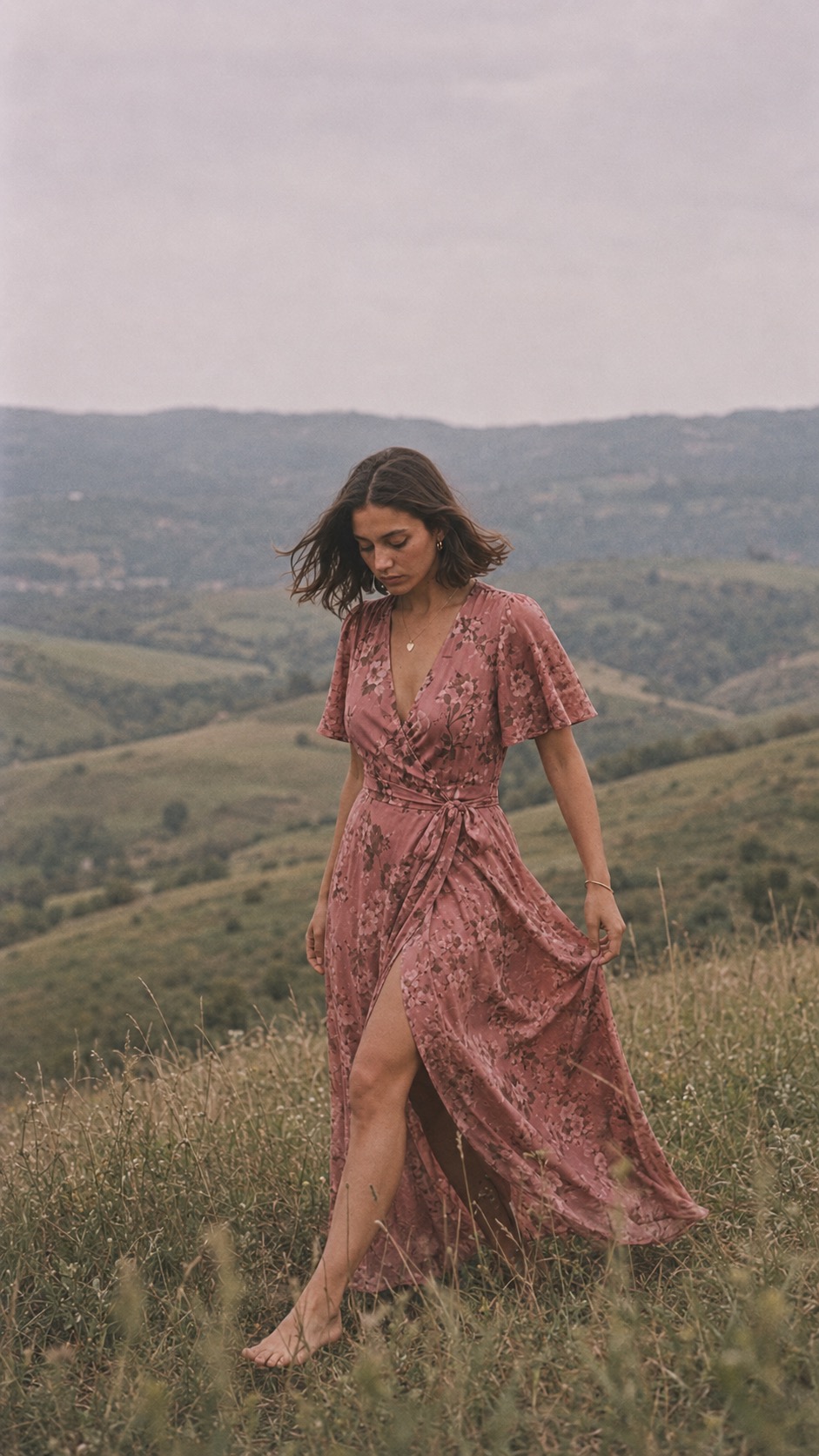
The cost per wear of a well-made dress.
A quiet argument for buying fewer dresses, better made.
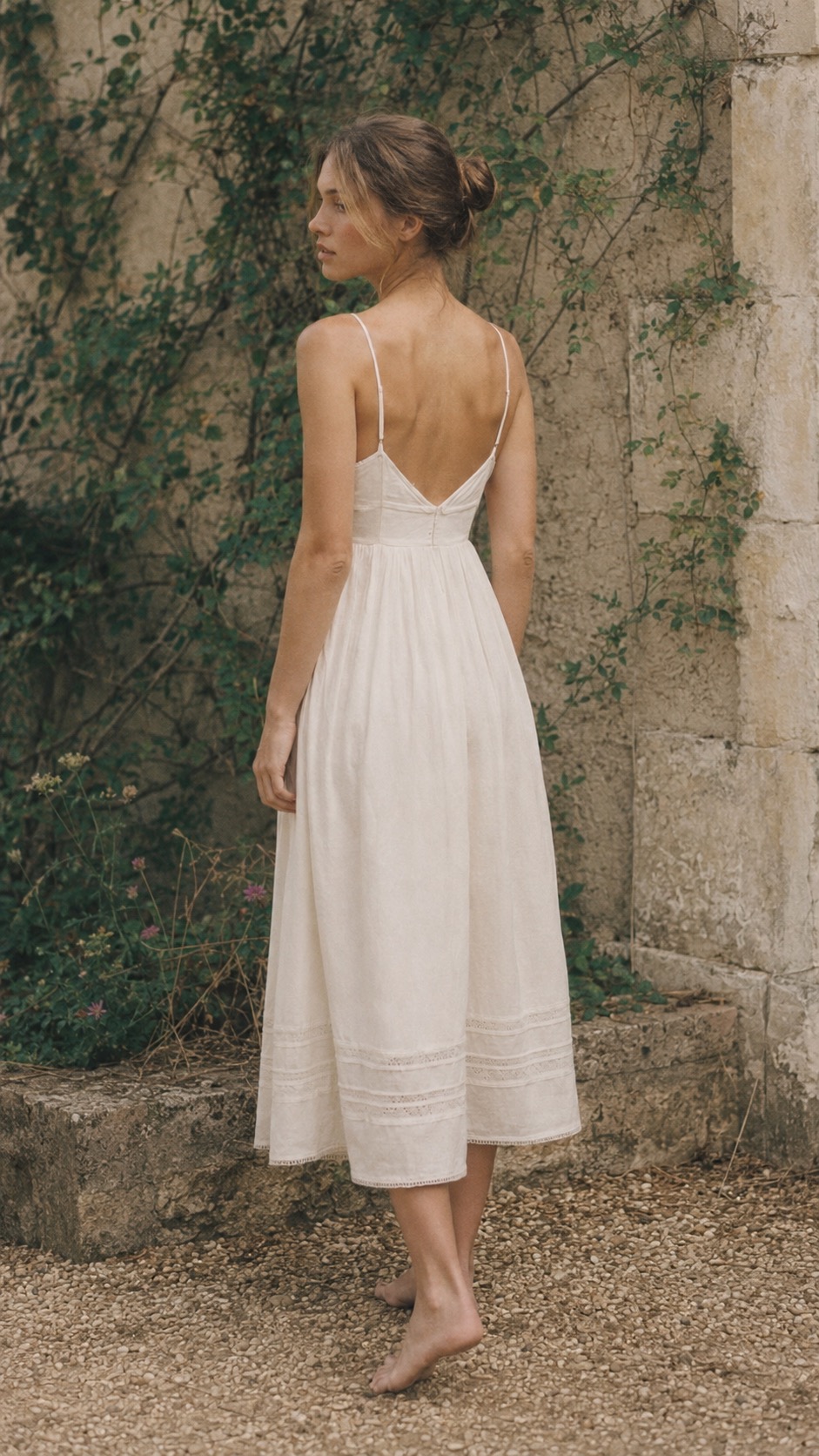
Why 'petite' doesn't mean 'junior.'
Petite is a proportion, not an age — and grown-up petite design shows it.