Why we make dresses
in small batches.
Small-batch production asks for a little patience. In return, it lets us make deliberate fit decisions, respond to real demand, and produce less unnecessary inventory.
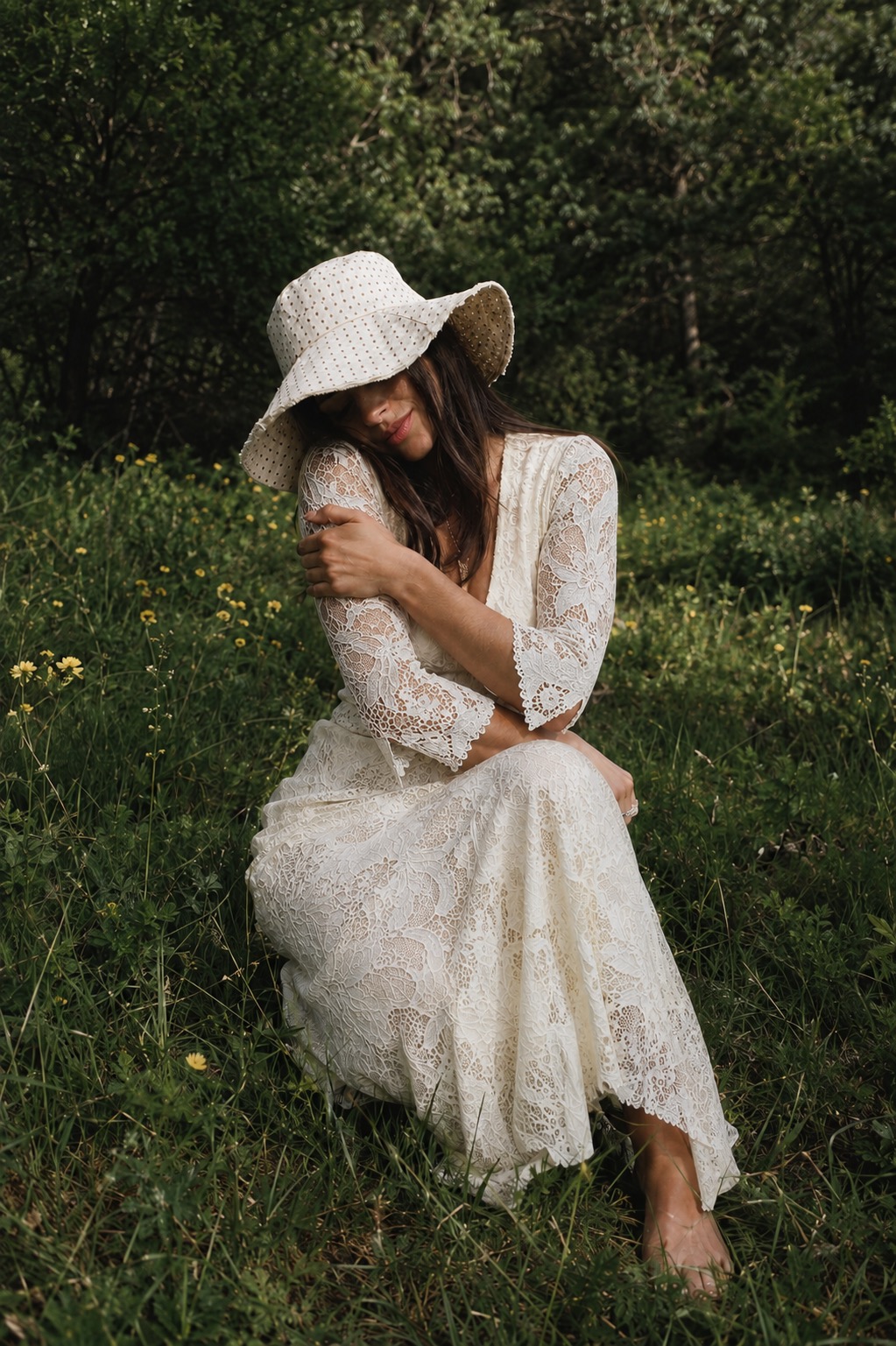
Small-batch fashion moves at a different pace. It does not begin with thousands of finished units waiting in a warehouse. It begins with a pattern, a considered quantity, and a closer relationship between what customers want and what actually gets made.
For Nectar Petite, this is not only a production philosophy. It is one of the ways we protect the fit.
Petite design depends on specific decisions
A true petite dress is not a regular dress with a shorter hem. The shoulder width, bodice length, waist position, sleeve proportions, skirt volume, and placement of details all need to be considered together.
Those decisions take attention. Small production runs make it possible to focus on the garment itself — how the pattern sits on a shorter frame, whether the sleeve breaks in the correct place, whether the waist lands where the design intended, and whether the finished dress preserves the original idea.
Scale can make clothing less expensive to produce, but it can also reward speed and generalization. Nectar exists because petite women have already been asked to accept too many generalizations.
Back orders show us where demand actually lives
Traditional production requires a brand to predict demand months before customers can respond. That prediction includes not only how many people will want a dress, but which sizes they will need.
For an emerging petite brand, guessing incorrectly can mean selling out of the sizes customers need most while holding unnecessary inventory elsewhere. Back orders provide a clearer signal. They help us see real size-level demand and make better decisions about the next run. This does not eliminate forecasting, but it replaces part of the guesswork with evidence.
Small batches reduce unnecessary inventory
Unsold clothing does not disappear when a season changes. It is marked down, stored, resold, liquidated, or discarded. Producing closer to demonstrated demand helps prevent that excess before it exists.
Small-batch production is not perfectly waste-free, and we would never pretend otherwise. Fabric, sampling, shipping, and manufacturing all have an impact. But making measured quantities is a practical way to reduce one of fashion's most avoidable problems: producing far more than customers asked for.
What the waiting period supports
When a size is offered for backorder, the waiting period allows production to be allocated, completed, checked, received, and prepared for shipment. It also gives us time to communicate honestly if timing changes.
Customers should never have to decode whether an item is in stock or still being made. That is why we show availability by size and provide the most current fulfillment information we have. A backorder is a promise, and the clarity of that promise matters as much as the product.
A more responsive kind of growth
Small batches let Nectar grow in conversation with the women wearing the clothes. Which sizes sell first, where a customer needs more room, which sleeve length feels right, and which silhouettes become repeat favorites — each response can inform what happens next.
That closeness is valuable. It allows a young brand to improve without abandoning the specificity that made it necessary in the first place.
We want Nectar dresses to feel considered rather than abundant for abundance's sake: made in quantities we can stand behind, designed around petite proportions, and meant to be worn instead of waiting indefinitely on a rail. If you are weighing the value of one well-made piece, read the cost per wear of a well-made dress.
Made in measured quantities.
Explore the current collection and view availability or backorder timing for each size.
Keep Reading
All Journal Entries
Petite with a fuller bust? How to choose a dress.
Six ways to fit the bust without swallowing everything below it.
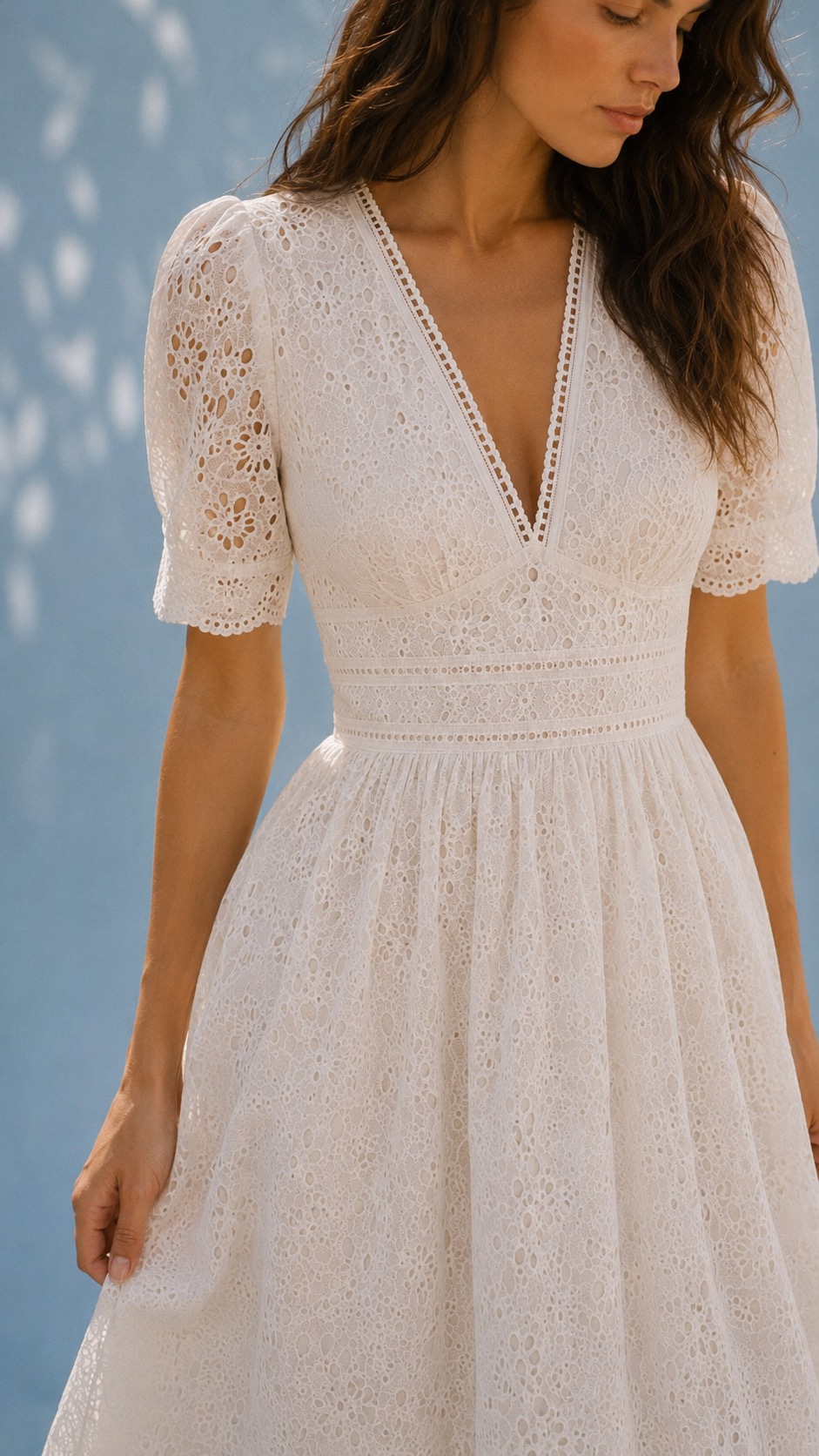
What to wear under white lace and eyelet.
Slips, bras, and seamless layers that actually disappear under openwork.
The petite dress length guide: mini, midi and maxi.
Exact HPS-to-hem measurements for every length on a frame 5'4" and under.